

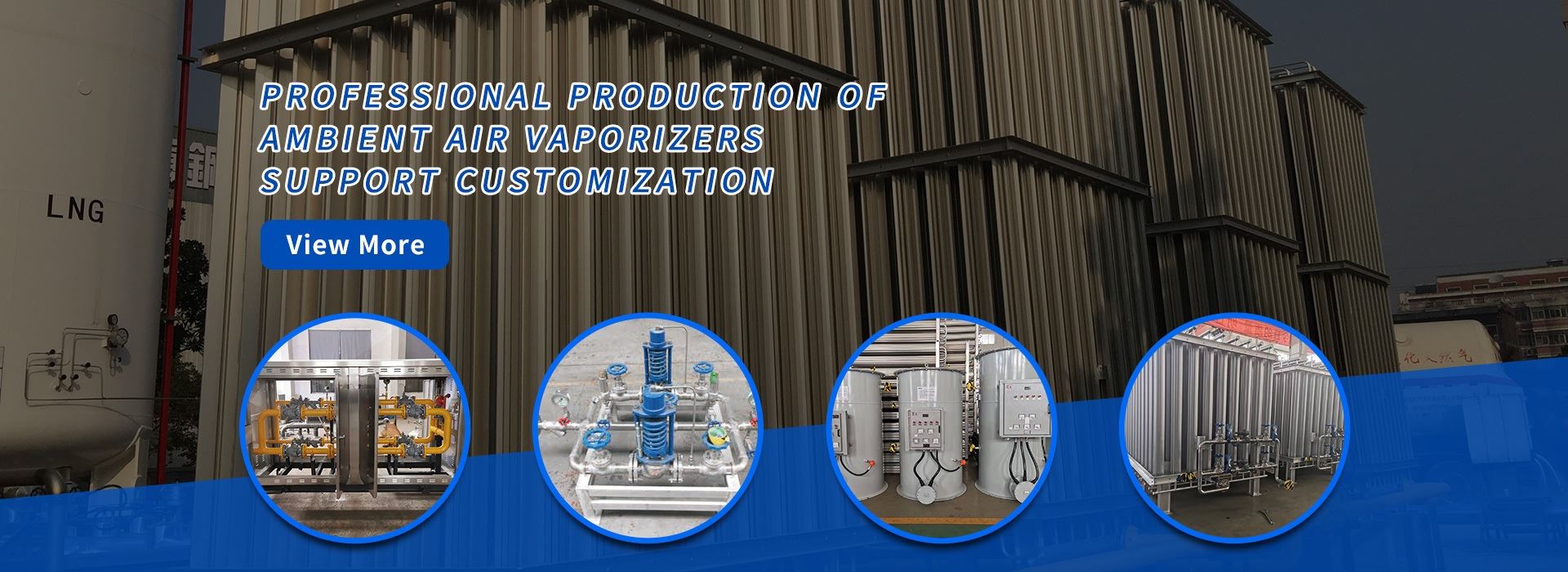

Pressure Control Valve
Why Choose Us
Quality Control
The company has established and perfected a management system that includes quality record control, process quality control, product improvement, customer service response and system improvement.
Professional Team
We have high-quality technical engineers and production technicians, excellent team, so that the core competitiveness of the enterprise is constantly enhanced.
Quality Service
Adhering to the business philosophy of "integrity and rigor, technical expertise, quality assurance, quality assurance, efficient service", we provide our customers with advanced products and quality service.
Qualification
The company has a number of qualification certificates and administrative licenses, such as pressure piping components manufacturing license, to ensure the legitimacy and standardization of the company's business.
A pressure control valve is a mechanical device designed to manage and maintain desired pressure levels within a system. By carefully modulating the flow of fluids or gases, it ensures that pressure remains within specified parameters, preventing potential damage, inefficiencies, and hazards.
Pressure control and regulation are essential in numerous industrial applications, ranging from manufacturing and chemical processes to oil and gas operations. These valves play a vital role in maintaining consistency, stability, and safety within intricate systems.
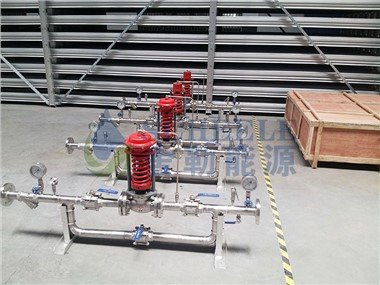
Pressure control valves help prevent overpressurization of hydraulic systems. This is important in situations where excessive pressure can cause damage to components and equipment. By using a pressure control valve, fluid pressure can be controlled and kept within safe limits, resulting in reliable and safe system operation.
Pressure control valves help ensure the stability and accuracy of hydraulic systems. They allow precise control of fluid pressure, which is essential for maintaining system stability and efficiency. This, in turn, helps to minimize the downtime and maintenance costs associated with system failures.
Pressure control valves provide a degree of flexibility to hydraulic systems. They can be adjusted to meet changing operational requirements, allowing the system to adapt to different load demands. This means that the system can be optimized for maximum efficiency, which reduces energy consumption and operating costs.
Pressure control valves help to improve the safety of hydraulic systems. By controlling pressure and preventing overpressurization, they reduce the risk of system failure, thus avoiding accidents and injuries. This is particularly important in high-pressure hydraulic systems, where the consequences of failure can be severe.
Pressure control valves help to improve process control within a hydraulic system. By maintaining consistent and accurate pressure levels, they help to ensure that process parameters are always within the required limits. This is important for optimizing process efficiency and achieving high quality output.
The Basic Structure of a Pressure Control Valve
Pressure control valves are fluid control devices used in a wide range of applications, and their basic structure consists of a valve body, spool, spring, adjusting nut, and other components.
The valve body is the most basic component of the pressure control valve, and usually adopts a compact and adjustable structure, which can greatly reduce the distance in the pipeline and improve the flow and control ability of the valve. Spool is the key component to control the fluid, control the flow and pressure of the medium, to ensure that the valve can work stably and reliably, while the spool also needs to be wear-resistant and corrosion-resistant to ensure long-term stability of the working environment.
Spring is one of the important parts of the pressure control valve, it controls the spool in the working process of the force, to ensure that the valve opening and closing speed and stability. The hardness and strength of the spring are determined according to the pressure range to be controlled in actual use.
The adjusting nut is another important part of the pressure control valve, which interacts with the spring and the spool to ensure that the operating pressure of the pressure control valve is within the correct range. The adjusting nut is usually adjustable and can be fine-tuned as needed for optimum control.
The basic structure of a pressure control valve is simple, but each component plays a very important role. Pressure control valves have a wide range of applications and can be used in many fields such as tap water, gas and liquid transportation to ensure smooth and reliable flow of media and normal process flow.
Pressure control valve application areas
Industrial manufacturing
Pressure control valves are used in industrial manufacturing to control the pressure of the fluid to ensure that the fluid flows at the correct speed and pressure to ensure that the production process is carried out properly. For example, in the automobile manufacturing industry, pressure control valves can be used to control the fluid pressure in the hydraulic system, accurately control the pressure of the braking system to ensure the safety of the car.
Medical industry
Pressure control valves are also widely used in medical equipment. For example, pressure control valves used in ventilators can control the patient's breathing pressure and flow to ensure the normal work of the ventilator.
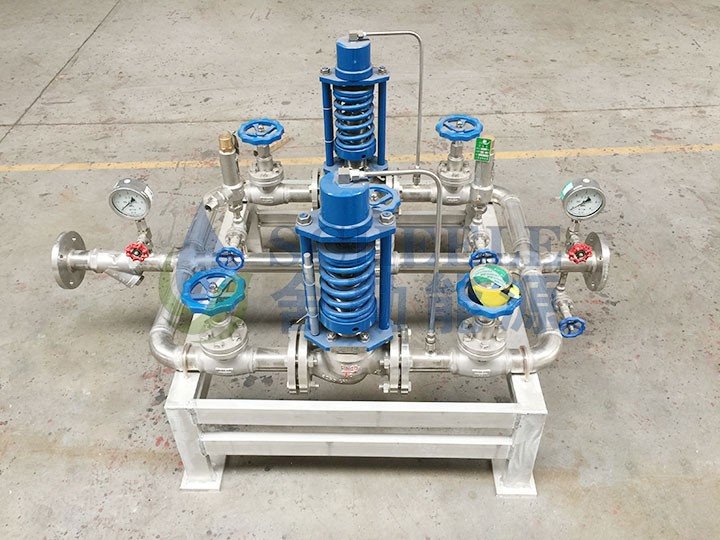
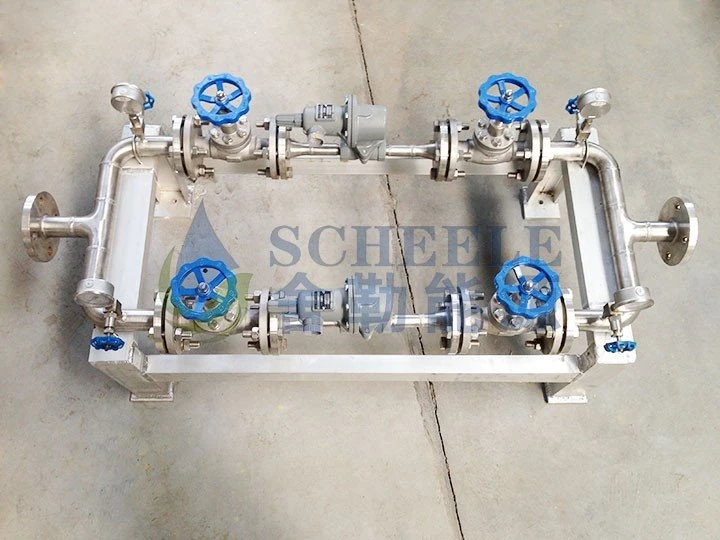
The oil industry
In the oil mining and processing industry, pressure control valves also have a wide range of applications. For example, in oil wells, pressure control valves can be used to control the production flow and pressure of oil wells to ensure the normal operation of oil wells. In addition, in the refinery, pressure control valves can be used to control the pressure of various fluids to ensure the stability of the refining process.
Clean energy
Pressure control valves are more and more widely used in the field of clean energy, for example, pressure control valves for solar water heaters can control the pressure and flow in the water tank to ensure the normal work of solar water heaters.
1. Relief valves
Relief valves operate on a fundamental principle of automatic pressure release when system limits are exceeded. These valves open in response to elevated pressure, diverting excess fluid or gas away from the system. By relieving the pressure, relief valves prevent potential damage and catastrophic failures, ensuring the safety and integrity of the system.
Relief valves find extensive applications across various industries. They are commonly employed in hydraulic systems, steam boilers, pipelines, and pressure vessels. The benefits of relief valves include safeguarding equipment from overpressure, preventing system malfunctions, ensuring worker safety, and preserving the integrity of the overall system. By providing reliable pressure relief, these valves contribute to the efficient and safe operation of industrial processes.
2. Pressure reducing valves
Pressure reducing valves are designed to maintain and control downstream pressure at a lower and consistent level than the upstream pressure. These valves operate based on a simple yet effective principle: as the fluid or gas passes through the valve, it restricts the flow and reduces the pressure to the desired set point. By regulating the pressure, these valves ensure that downstream equipment and systems operate within the specified pressure limits, preventing damage and optimizing performance.
Pressure-reducing valves have a wide range of applications across industries. They are commonly used in water supply systems, HVAC systems, pneumatic systems, and gas distribution networks. The benefits of these valves include preventing excessive pressure that can damage equipment, ensuring consistent and reliable performance of downstream devices, reducing energy consumption, and extending the lifespan of the system components. By effectively controlling pressure, these valves contribute to efficient and safe operations in various applications.
3. Sequence valves
Sequence valves are hydraulic control valves that enable the sequential operation of hydraulic actuators or cylinders. These valves are designed to open and allow flow when a specified pressure is reached in the primary circuit. Once the predetermined pressure is achieved, the sequence valve opens, directing hydraulic fluid to the secondary circuit. This ensures a systematic and controlled sequence of operations, where certain actuators must complete their tasks before others are engaged. The working principle of sequence valves involves precise pressure sensing and regulation to maintain the desired sequence of hydraulic actions.
Sequence valves find application in various hydraulic systems where a specific order of operations is required. They are commonly used in manufacturing processes, machine tools, material handling equipment, and automated systems. The benefits of sequence valves include improved operational efficiency, precise control over hydraulic actions, prevention of undesired movements, and increased safety by ensuring the correct sequence of operations. These valves enable complex hydraulic systems to function reliably and in a well-orchestrated manner, contributing to enhanced productivity and performance.
4. Counterbalance valves
Counterbalance valves, also known as load-holding valves, are hydraulic valves that ensure controlled movement and prevent load runaway in hydraulic systems. These valves work on the principle of balancing the pressure exerted by the load against an adjustable spring force. When the load pressure exceeds the spring force, the valve opens, allowing fluid to flow freely and control the load's movement. Once the load pressure decreases, the valve closes to maintain load holding and prevent unintended motion. The working principle of counterbalance valves provides stability, control, and safety in hydraulic systems.
Counterbalance valves have diverse applications in hydraulic systems, including mobile equipment, cranes, and industrial machinery. The benefits of these valves include preventing load drops, controlling speed, and maintaining stability during load-holding operations. These valves enable precise control of loads, protect hydraulic components from damage, and enhance overall system safety. By providing load holding and controlled movement, counterbalance valves ensure efficient and reliable operation in various hydraulic applications.
5. Unloading valves
Unloading valves, also known as pressure relief valves, are hydraulic valves that control and regulate the pressure within a hydraulic system. These valves work by diverting excess pressure from the system back to the reservoir, ensuring that the pressure does not exceed a predetermined limit. When the pressure reaches the set threshold, the unloading valve opens, allowing the excess fluid to bypass the system and return to the reservoir. This relieves the pressure and prevents damage to the system components. The working principle of unloading valves allows for precise pressure control and optimization of performance in hydraulic systems.
Unloading valves have various applications in hydraulic systems, including mobile equipment, construction machinery, and power units. The benefits of unloading valves include protecting the system from overpressure, preventing damage to hydraulic components, and ensuring consistent and reliable operation. These valves optimize performance by maintaining pressure within the desired range, reducing energy consumption, and extending the lifespan of the system. Unloading valves play a critical role in maintaining system efficiency and safety in diverse hydraulic applications.
Factors to Consider When Choosing a Pressure Control Valve
When selecting pressure control valves, it is crucial to consider the required operating pressure range. Ensure that the valve can handle the maximum and minimum pressure levels within the system to maintain optimal control and prevent damage or malfunction.
Evaluate the flow rate and capacity requirements of the system to determine the appropriate valve size. Consider factors such as desired flow rate, maximum flow capacity, and any potential variations in flow conditions to select a valve that can effectively handle the required fluid volume.
Take into account the compatibility of the valve materials with the fluids or gases in the system. Consider factors like chemical compatibility, temperature resistance, and corrosion resistance to choose a valve constructed from materials that can withstand the operating conditions and maintain long-term reliability.
Assess the environmental conditions surrounding the valve, including temperature, humidity, and presence of hazardous substances. Additionally, consider safety considerations such as valve fail-safe mechanisms, compliance with industry standards, and the ability to handle potential system failures or emergencies.
Installation and Maintenance of Pressure Control Valves
Proper installation guidelines: Follow manufacturer recommendations and guidelines for the correct installation of pressure control valves. Ensure proper alignment, sealing, and secure connection to the system. Consider factors such as orientation, flow direction, and proper support to prevent undue stress on the valve.
Routine maintenance procedures: Implement regular maintenance schedules to ensure the continued performance of pressure control valves. This may include inspections, cleaning, lubrication, and calibration. Follow manufacturer instructions for maintenance intervals and procedures to optimize valve operation and prevent potential issues.
Additionally, it is crucial to adhere to lockout tagout (LOTO) procedures during maintenance activities: Prior to performing any maintenance tasks on a pressure control valve, ensure that appropriate LOTO procedures are followed to isolate and de-energize the system. This helps prevent accidental energization and ensures the safety of maintenance personnel.
Troubleshooting common issues: Be familiar with common issues that may arise with pressure control valves, such as leaks, erratic pressure regulation, or valve malfunctions. Develop troubleshooting protocols to identify and resolve these issues, which may involve inspecting seals, checking for blockages, adjusting settings, or replacing faulty components.
Our Factory
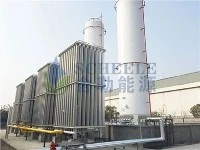
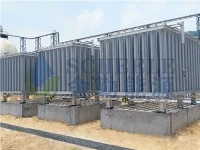
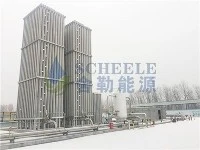
Wuxi Scheele Energy Technology Co., Ltd. is located in Wuxi in the beautiful Taihu Lake, Wuxi cities in the economically developed Yangtze River Delta.
Wuxi Scheele Energy Technology Co., Ltd. is a gas and industrial gas equipment research, development, manufacturing, and engineering solution that provides comprehensive science and technology enterprises. Our Company has established and perfected quality records control, process quality control, product improvement, customer service response, and system improvements, including the management system, and has highly qualified technical engineers and production technicians, excellent team, so that the core competitiveness of enterprises constantly enhanced.
Wuxi Scheele Energy Technology Co., Ltd. adhering to the "Strict Integrity, Technical Expertise, Quality Assurance, Quality Assurance, Efficient Service" business philosophy, to provide our customers with advanced products and quality service.
Wuxi Scheele Energy Technology Co., Ltd. has been working closely with many gas companies.
Certificate


FAQ
We're professional pressure control valve manufacturers and suppliers in China, specialized in providing high quality custom products. We warmly welcome you to buy the best pressure control valve for sale here from our factory. For price consultation, contact us.
O2 N2 Ar CO2 Pressure Control Valve, Pressure Control Valve